Case Study: How Grúas Garro Got Rid of a Seagull Infestation on Their Industrial Buildings
In 2013, Grúas Garro started facing an unexpected problem: hundreds of seagulls were gathering every day on the roofs of their industrial buildings in Beasáin, Spain. The birds were damaging the plastic roof windows, causing water leaks and generating recurring maintenance costs.
After installing a BirdGard Pro #20 sound-based seagull deterrent, the seagulls stopped perching on their buildings. More than 7 years later, the company was still using this solution continuously to keep its facilities protected.
This real customer case shows how an industrial company managed to get rid of seagulls on its roofs using a bioacoustic solution, without harming the birds and while reducing dirt, maintenance problems and material damage.
Case Summary
- Customer: Grúas Garro.
- Location: Beasáin, Spain.
- Type of facility: industrial buildings in an industrial estate.
- Problem: hundreds of seagulls perching daily on the roofs.
- Probable cause: the opening of the Sasieta landfill, located around 2-3 km away, and the nearby Arriarán reservoir.
- Damage: holes in plastic roof windows, water leaks and recurring repairs.
- Solution installed: BirdGard Pro #20 seagull deterrent.
- Result: the seagulls disappeared from the buildings.
- Time in use: more than 7 years of continuous operation.
About Grúas Garro
Grúas Garro is a lifting and transport services company specialising in crane operations. They provide assembly services for all types of structures, including bridges, industrial buildings and large-scale installations, working at heights of up to 130 metres and with heavy loads of up to 500 tonnes.
The company was founded by Santi Garro in Beasáin in 1972. Since then, it has continued to grow and now has branches in Mondragón, Vitoria and Andoáin.
The Problem: Hundreds of Seagulls on the Roofs
At its main facility in Beasáin, Grúas Garro has two industrial buildings of around 2,000 m², located in an industrial estate. Beasáin is approximately 40 km from the Basque coast.
For more than 40 years, the company operated without any major bird-related problems. However, in 2013, hundreds of seagulls started gathering on the roofs of its buildings.
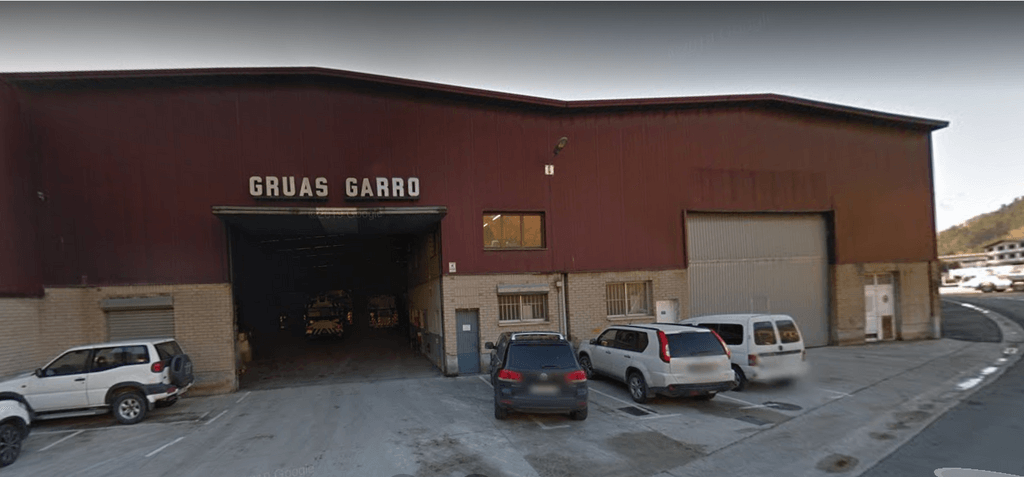
The probable cause was the surrounding environment. The opening of the Sasieta landfill, located around 2-3 km from Beasáin, started attracting large numbers of seagulls to the area. In addition, the nearby Arriarán reservoir provided water, creating the perfect habitat: food at the landfill, water at the reservoir and industrial roofs where the birds could perch and rest.
Damage Caused by the Seagulls
The problem was not only the presence of the birds. The buildings at the Beasáin facility have natural roof lighting with plastic windows. The seagulls pecked at the plastic windows until they made holes.
When it rained, water entered the buildings through those holes. As a result, Grúas Garro had to invest several times in repairs to fix the damage caused by the seagulls on the roofs.
This type of problem is common in industrial facilities where birds use roofs as resting areas: dirt, material damage, water leaks, poor image and recurring maintenance costs.
The Solution: BirdGard Pro #20 Seagull Deterrent
Grúas Garro decided to look for a serious solution to keep seagulls away from its buildings. After researching different methods, they discovered BirdGard sound-based bird deterrents.
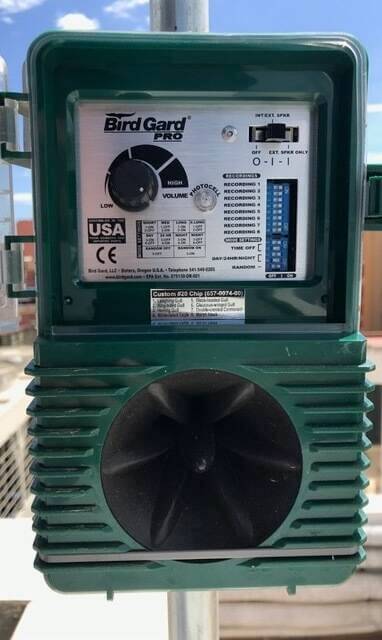
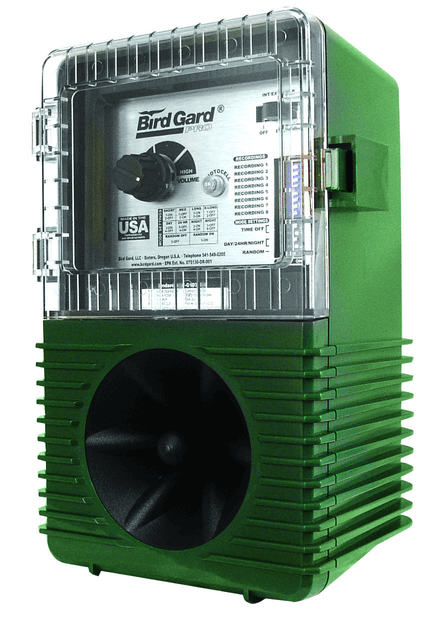
The chosen device was the BirdGard Pro #20, a bioacoustic seagull deterrent specifically designed for this species. This type of device plays audible sounds that seagulls interpret as danger signals, such as distress calls from their own species and predator sounds.
On the BirdGard Pro #20 product page, you will find all the technical information, price and customer reviews.
The Initial Result: “It Was a Game-Changer”
“In 2013, I purchased a BirdGard Pro #20 seagull deterrent. I received it within two days, installed it, and it was a game-changer. I have been using it continuously for over 7 years. Since then, not a single seagull in the buildings.”
Why Coordination Was Important in the Industrial Estate
When the first sound deterrent was installed, the seagulls stopped perching on Grúas Garro’s buildings. However, they moved to other nearby buildings in the same industrial estate.
This is an important point: when the problem affects a wide area, birds may move to neighbouring roofs if only one building is protected. In industrial estates, it can therefore be more effective to act in coordination with nearby companies.
“When I installed it in 2013, neighbouring companies in the industrial estate complained. But we met and decided to address the problem together. Now we have two BirdGard Pro #20 sound deterrents in the industrial estate. No company has seagull problems anymore. In fact, the seagulls have completely disappeared from the industrial estate.”
In this case, the seagulls were not nesting on the roofs. They were using them during the day as resting areas. For that reason, the deterrent was configured to emit sounds only during the day. At night, the device remained automatically silent.
The device was installed on the roof of the building, mounted on a pole around 50 cm above the roof surface.
Are the Sounds Annoying?
One of the usual concerns in industrial environments is whether the sounds emitted by the deterrent may bother workers or nearby companies. In this case, Grúas Garro’s experience was positive.
“The sounds emitted by the repeller are not annoying at all. Occasionally, we hear the sound of a bird inside the workshop, but it is not annoying. Not for us in our building, nor for the other companies in the industrial estate.”
The Final Test: When the Device Failed, the Seagulls Came Back
The Sasieta landfill was closed in 2017-2018. However, the seagulls continued to remain in the municipality of Beasáin. Grúas Garro was able to confirm this very clearly when the device stopped working.
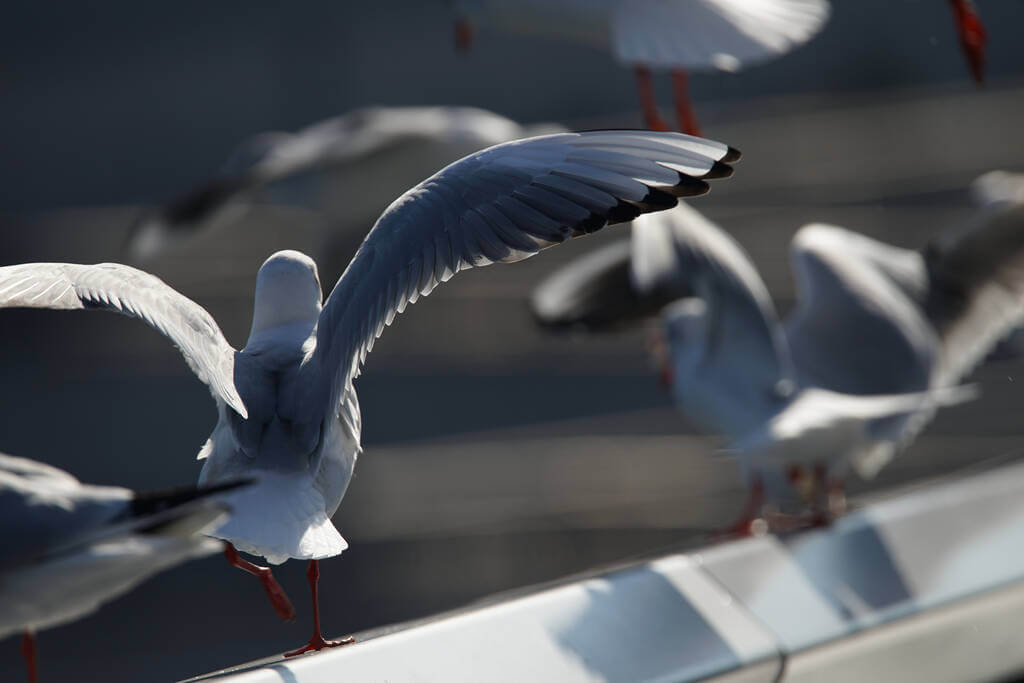
“Some time ago, our seagull deterrent broke down. Within a few days, we had seagulls on the roofs again. Fortunately, we noticed it quickly. We purchased another sound deterrent from BirdGard Iberia, and they did not cause much damage. Now I always keep a spare BirdGard repeller. I do not want to be without protection against seagulls. If you let your guard down over a weekend, they can cause trouble.”
This testimony is especially relevant because it shows that the problem had not disappeared by chance. When the protection stopped working, the seagulls came back within a few days. Once the sound deterrent was replaced, the company regained control of the situation.
Benefits Achieved by Grúas Garro
Thanks to the BirdGard sound deterrent, Grúas Garro managed to:
- Eliminate the recurring presence of seagulls on the roofs of its buildings.
- Reduce maintenance costs caused by damage to roof windows.
- Prevent water leaks caused by holes made by the birds.
- Reduce dirt and hygiene risks associated with seagull droppings.
- Improve the image of its facilities for customers, workers and nearby companies.
- Coordinate an effective solution with other companies in the industrial estate.
The Customer’s Recommendation
After more than 7 years of use, Santi Garro considers the sound deterrent a profitable investment for the company.
“This bird repeller has been a great investment. Thanks to it, we have saved a lot on roof maintenance costs.
I recommend this solution to any company that has seagull problems on its premises. And if anyone is interested, they can contact me or come to our Beasáin facility to see the bird repellers in action.”
What This Case Shows About Seagulls on Industrial Buildings
The Grúas Garro case provides several useful lessons for other companies facing similar problems:
- Seagulls can appear many kilometres away from the coast. Beasáin is around 40 km from the sea, but the landfill and the reservoir made the area attractive to them.
- Landfills and reservoirs can attract large numbers of seagulls. Food and water encourage birds to remain in the area.
- Industrial roofs can become regular resting areas. If the birds find a quiet, elevated place, they may return every day.
- The damage can go beyond dirt. In this case, the seagulls damaged plastic roof windows and caused water leaks.
- In industrial estates, coordinated action may be necessary. If only one building is protected, the birds may move to neighbouring roofs.
- Cleaning and continuity are important. When the device stopped working, the seagulls returned within a few days.
Related Products and Solutions
For similar problems on roofs, warehouses, factories or industrial facilities, you can visit the Repel Seagulls category in our online store.
You can also read our main guide on how to repel seagulls, where we explain the most suitable methods depending on the environment and type of problem.
If you would like to read other customer case studies:
- How one of our customers managed to repel seagulls from the roofs of a factory covering more than 75,000 m².
- CTM case study: Centro de Transportes de Madrid and the use of BirdGard Pro Plus #20 against seagull infestations.
- Seagulls in landfills and reservoirs: a public health issue.
Conclusion: A Real Case Study That Builds Trust
The Grúas Garro case shows that a seagull infestation on industrial roofs can create real maintenance problems, dirt, material damage and recurring costs. It also shows that, when the problem is properly analysed and the right solution is installed, it is possible to significantly reduce the presence of the birds.
In this case, the BirdGard Pro #20 sound deterrent allowed Grúas Garro to protect its buildings for more than 7 years, avoid recurring repairs and regain control of its roofs.
If your company has a similar problem with seagulls on roofs, warehouses or industrial facilities, you can contact BirdGard Iberia and we will help you assess the most suitable solution depending on the surface area, bird pressure and characteristics of your environment.
Frequently Asked Questions About Seagull Infestations on Industrial Buildings
Can seagull infestations occur far from the coast?
Yes. Although seagulls are usually associated with the sea, they can travel many kilometres inland if they find food, water and suitable resting areas. In the Grúas Garro case, the problem appeared in Beasáin, around 40 km from the coast.
Why do seagulls perch on industrial buildings?
Industrial roofs can offer seagulls elevated, quiet and safe places to rest. If there is also a nearby food source, such as a landfill, and water close by, such as a reservoir, the area can become especially attractive to them.
What damage can seagulls cause on industrial roofs?
Seagulls can produce large amounts of droppings, damage materials, block drainage areas and, in some cases, damage roof elements. In the Grúas Garro case, the birds pecked at plastic roof windows and caused water leaks when it rained.
What solution did Grúas Garro use to repel the seagulls?
Grúas Garro installed a BirdGard Pro #20 seagull deterrent. Later, after coordinating with other companies in the industrial estate, two devices were installed to better protect the whole area.
Did the sound deterrent work in the long term?
Yes. According to Santi Garro’s testimony, the device was used continuously for more than 7 years, and since its installation they no longer had seagulls on the buildings.
What happened when the device stopped working?
When the deterrent broke down, the seagulls returned to the roofs within a few days. This confirmed that the system was still necessary to keep the buildings protected.
Is it useful to coordinate the solution with other companies in the industrial estate?
In some cases, yes. If seagulls move from one roof to another within the same industrial estate, coordinated action between several companies can be more effective in reducing bird presence across the whole area.