
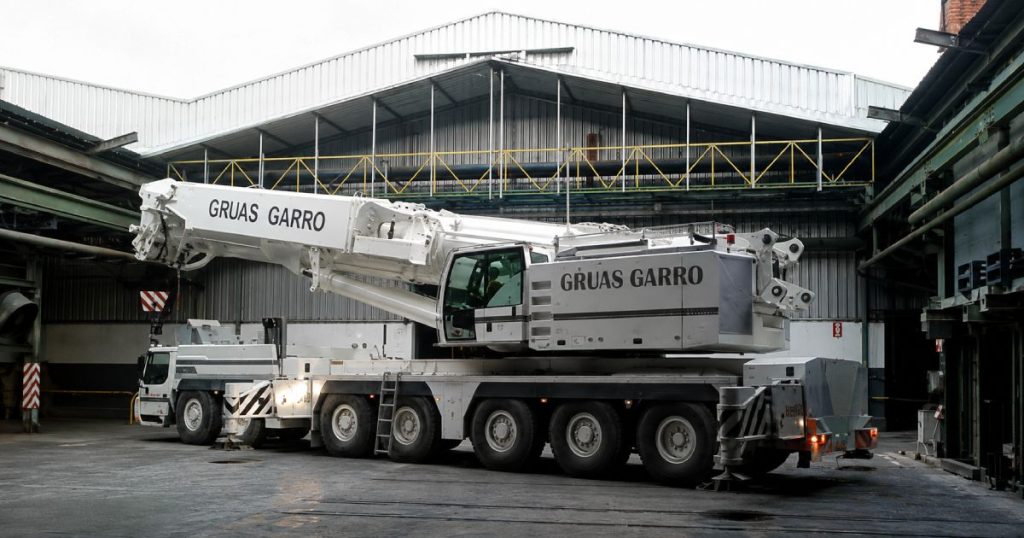
Case Study: How Grúas Garro Got Rid of a Seagull Infestation on Their Industrial Buildings
Grúas Garro shares their experience of how they managed to get rid of seagulls thanks to Bird Gard bioacustic repellers.
Bioacoustic Bird Repellers emit natural bird sounds to scare away birds.
Not all Bioacoustic Bird Repellers are the same. The market leader is the American brand Bird Gard. The information we provide here applies exclusively to Bird Gard repellers. It may not apply to other brands of bioacoustic deterrents.
Unlike scarecrow cannons that always emit the same explosions at regular intervals, bioacoustic repellers emit a combination of different sounds. In the case of Bird Gard bioacoustic bird repellers, these sounds are of three types: distress calls of the birds we need to deter; predator calls: hawks, eagles, harriers…; and electronic harassment sounds. These sounds are high-quality digital recordings.
Bird Gard repellers emit these recordings by varying the frequency, the order of the sounds, the silence interval between sound emissions… so that there is no fixed pattern for the birds to get used to.
It is very important that bioacoustic deterrents are specific to the type of birds we need to deter. Because it is not the same to deter pigeons, seagulls, sparrows, or crows…
Birds listen to others of their species warning them of danger. They also hear calls that make them think predators are nearby… this interferes with their natural survival instinct, they fear being attacked, and flee the area.
Below you will find a selection of the best articles and testimonials from some of our clients who share their experiences with Bird Gard bioacoustic bird repellers.
Grúas Garro shares their experience of how they managed to get rid of seagulls thanks to Bird Gard bioacustic repellers.
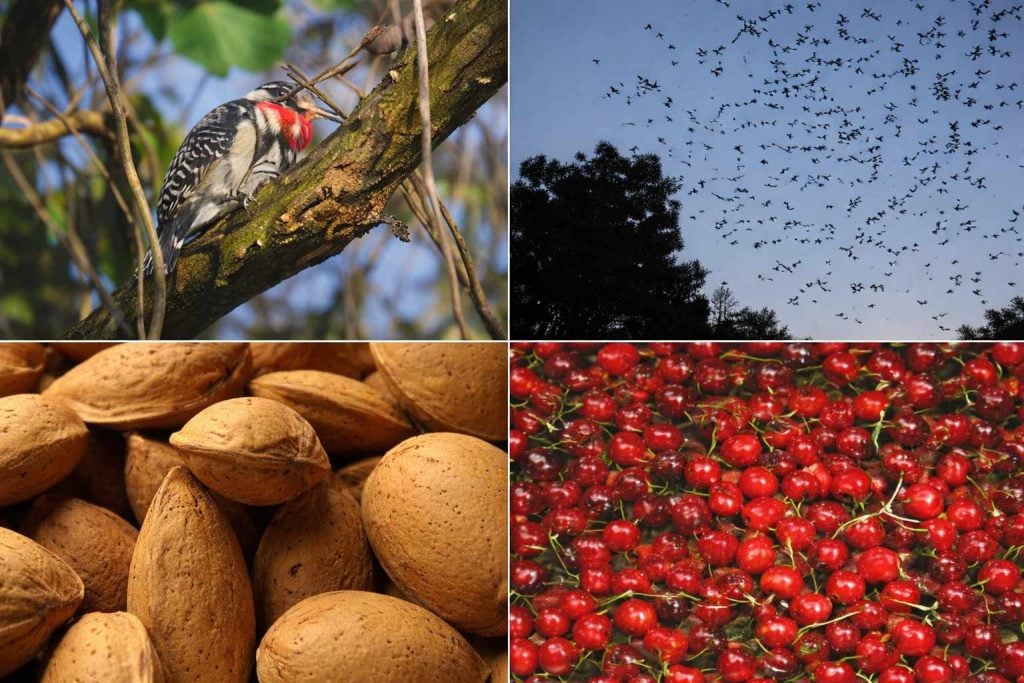
José Luis López Budia, a farmer in Cifuentes, shares how he has managed to protect his almond trees from woodpecker attacks and his cherry trees from starling flocks.
Bird repellers used to minimize electrical microcuts caused by flocks of starlings on power lines. Reference: Iberdrola.

Floren, a cattle farmer in Spain, explains how he manages to protect corn from birds. Floren has 23 hectares of corn, which he dedicates to feeding his livestock.
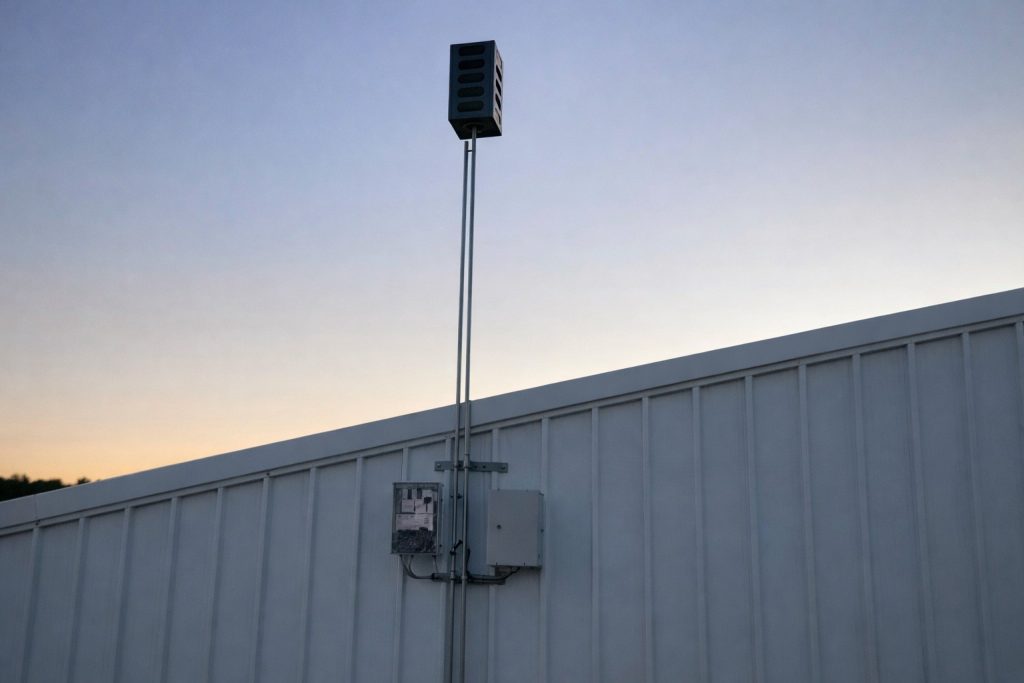
This article explains how one of BirdGard Iberia’s clients managed to repel seagulls from the rooftops of their factory. Flocks of thousands of seagulls were continuously using the roofs of one of the buildings in the factory, which spans over 75,000 square meters. Their presence resulted in over a ton of waste and dirt per year. Thanks to the bioacustic Bird Gard seagull repellers , the seagulls have relocated to other areas away from the factory, ceasing to be a problem.

Mamen Sánchez, from the company Aislamientos Industriales, explains how they managed to get rid of crows, thanks to the Bird Gard repeller.
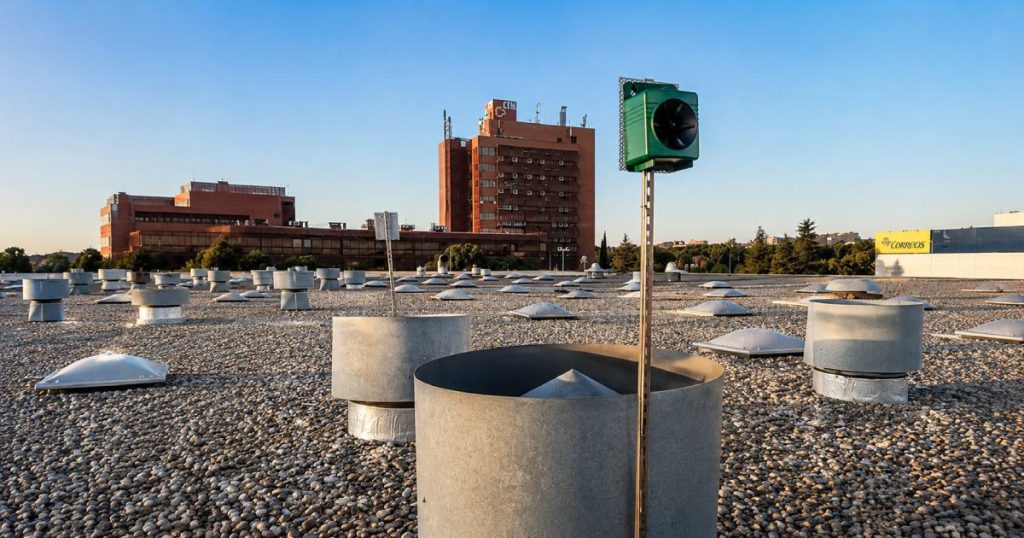
Discover the issues caused by seagull infestations in inland cities, how to combat them, and much more…
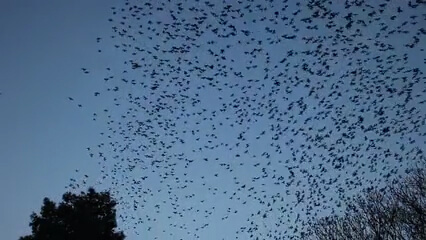
Experience of one of BirdGard Iberia’s clients with the Bird Gard Pro bioacoustic repeller, to get rid of starlings at their tourist resort in Mahón.

Filstone explains how they successfully eliminated the presence of crows in their quarry in Portugal using Bird Gard bioacoustic repellers.