Repelling seagulls is not always simple. They are intelligent, adaptable and persistent birds, especially once they have found a comfortable place to feed, rest, perch or nest.
For this reason, many seagull control attempts fail not because there is no solution, but because the wrong method is chosen, the system is poorly installed, action is taken too late or the birds’ behaviour has not been properly analysed.
In this article, we review the most common mistakes when trying to repel seagulls from roofs, ports, pools, boats, industrial buildings, hotels, residential communities and other facilities. The goal is to help you avoid ineffective solutions and approach the problem more technically from the start.
Summary: Common Mistakes When Trying to Repel Seagulls
- Using ultrasonic deterrents against seagulls, when they are not usually the recommended solution for this species.
- Installing a single product and expecting it to solve a complex problem, without combining sound, visual deterrents, physical systems or cleaning.
- Not cleaning the area before installing deterrents, leaving droppings, feathers, food remains or signs of occupation.
- Ignoring the breeding season, when seagulls may become especially aggressive.
- Not analysing where the birds feed, rest and move, especially near landfills, ports, food markets or reservoirs.
- Choosing the same solution for a boat, a pool, an industrial roof or a port, when each environment requires a different approach.
- Not correctly dimensioning the coverage of the system or installing it in an ineffective position.
- Expecting permanent results without follow-up, without adjusting schedules, volume, location or the combination of methods.
Mistake 1: Using Ultrasonic Deterrents to Repel Seagulls
One of the most common mistakes is assuming that any bird deterrent will work against any bird species. In the case of seagulls, ultrasonic deterrents are not usually the recommended solution.
Seagulls tend to respond better to systems specifically designed for them, such as sound-based deterrents that reproduce distress calls from their own species and sounds from natural predators. These sounds are perceived as danger signals and help encourage the birds to move away from the protected area.
If the problem is serious, especially on roofs, industrial buildings, ports or large open areas, it is advisable to use systems designed specifically for seagulls rather than relying only on generic ultrasonic devices.
Mistake 2: Installing One Single System When the Problem Requires a Combination of Methods
Seagulls may be using an area for several reasons: resting, feeding, drinking, perching or even nesting. For this reason, one method alone is not always enough.
Effectiveness often improves when different tools are combined. For example, a BirdGard sound deterrent can be combined with a Hawk ScareCrow – Eolo to create a more coherent deterrent effect. On one hand, seagulls hear alarm or predator sounds; on the other, they see a predator silhouette in the area.
This combined effect can be especially useful on roofs, industrial sites, pools, port areas or open spaces where seagulls are already used to perching.
You can review specific solutions in the Repel Seagulls category.
Mistake 3: Not Cleaning the Area Before Installing Deterrents
Before installing any system to repel seagulls, it is very important to clean the area properly. If droppings, feathers, nests, food remains, bones or organic waste are left behind, birds may continue to perceive the place as their own territory.
Cleaning the area first helps create a more neutral environment and reduces the signals that indicate to seagulls that the site is safe, familiar or already used by other birds.
This step can make a major difference on roofs, industrial buildings, residential communities, terraces, pools and boats where seagulls have been perching for some time.
Mistake 4: Acting During the Breeding Season Without Taking It Into Account
Seagulls can become very aggressive during the breeding season, especially if they feel that their eggs or chicks are threatened. At that stage, any intervention can be more difficult, less effective and more problematic.
If there are nests, eggs or chicks, the most prudent approach is to wait until the chicks can leave the nest and to check the applicable regulations before installing deterrents or removing elements from the area.
For recurring seagull problems, the ideal approach is to act preventively before the birds settle in or begin nesting.
Mistake 5: Not Analysing Where Seagulls Feed and Where They Rest
In many cases, the visible problem is not the origin of the problem. Seagulls may feed in one place and rest somewhere else. For example, they may find food in a landfill, food market, port or waste area, and then move to a roof, industrial building, pool or flat surface to rest.
Before choosing a solution, it is advisable to analyse:
- where the seagulls are feeding;
- where they rest or spend the night;
- what routes they follow during the day;
- at what times activity is highest;
- which specific areas need protection;
- whether there are nests, chicks or signs of repeated use.
This analysis is especially important in industrial areas, ports, landfills, reservoirs and buildings located near food sources. To learn more about this type of problem, you can read our article on seagulls in landfills and reservoirs.
Mistake 6: Using the Same Solution for Boats, Pools, Roofs and Ports
Not every environment requires the same solution. A boat, a marina, a pool, an industrial roof or an urban building may present very different seagull problems.
Boats and Vessels
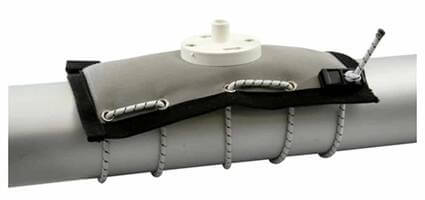
On boats, the problem is often related to seagulls perching on specific points: covers, railings, masts, antennas or decks. In these cases, mechanical or boat-specific systems, such as StopGull Air – Seagull Repellent for Boats, may be more suitable.
You can also review the Bird Deterrents for Boats category.
Ports and Marinas
In ports and marinas, the problem is usually broader because it can affect many boats, railings, structures and walking areas. In these cases, it may be necessary to combine mechanical systems, visual deterrents and environmental management measures.
Roofs and Industrial Buildings
On roofs and industrial buildings, seagulls may use the area to perch, rest, eat remains or spend the night. In these cases, it is especially important to analyse the surface, bird pressure, installation points and the possibility of combining sound with visual reinforcement.
For these situations, it may be useful to review real cases such as how to repel seagulls from rooftops or the case of seagulls in inland cities and CTM.
Pools, Hotels and Residential Communities
In pools, hotels and residential communities, effectiveness is not the only factor to consider. Noise, aesthetics, usage hours, people nearby and specific perching points also matter. That is why the same system used in an industrial building or landfill is not always suitable for a pool or residential setting.
Mistake 7: Choosing a System Without Correctly Dimensioning the Area
Another frequent mistake is choosing a deterrent without considering the real area that needs protection. Protecting a small terrace is not the same as protecting an industrial roof, a port area or a facility covering several hectares.
In sound-based deterrents, coverage depends on the model, speaker position, sound direction, obstacles and bird pressure. If the system is too small, effectiveness may be insufficient. If it is poorly installed, it may protect one area while leaving another area available for seagulls to use.
That is why it is important to choose the model according to the surface and type of environment. You can review available solutions in the Repel Seagulls category.
Mistake 8: Relying on Static Owls or Reflective Tape as the Main Solution
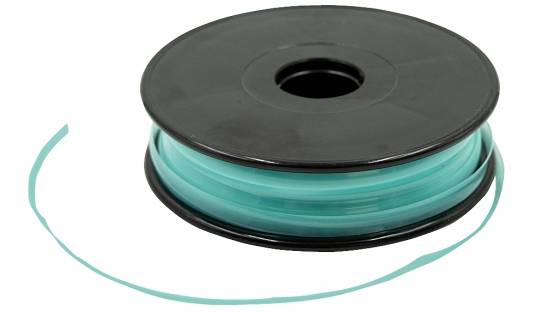
Static owls, decorative figures or reflective tapes may create a short-term effect, but they are rarely enough when there is a serious seagull problem. Seagulls are intelligent birds and can quickly become used to elements that do not change, do not move realistically or do not represent a coherent threat.
This does not mean that all visual deterrents are useless. The difference lies in realism, movement, positioning and combination with other systems. A well-installed hawk scarecrow can reinforce the effect of a sound deterrent, but a static figure placed without strategy usually loses effectiveness quickly.
Mistake 9: Thinking the Problem Will Disappear Without Follow-Up
Repelling seagulls is not always a matter of installing a system and forgetting about it. In problems with high bird pressure, it may be necessary to adjust schedules, volume, speaker direction, system location or the combination of methods.
It is also important to observe whether the seagulls have moved to another part of the same building, whether they still appear at specific times or whether a new food source is attracting them.
Follow-up is especially important on industrial roofs, ports, landfills, reservoirs, hotels and residential communities with recurring seagull problems.
Mistake 10: Expecting the Same Solution to Work in Every Case
There is no single universal solution for every seagull problem. The recommendation changes depending on the environment, surface area, use of the space, bird pressure, presence of nests, acceptable noise level and available installation points.
That is why it is advisable to assess the case carefully before buying a product. A seagull problem on a boat is not solved in the same way as a problem on an industrial roof, a swimming pool, a port or a facility located near a landfill.
How to Approach a Seagull Problem Correctly
To increase the chances of success, we recommend following this process:
- Identify how seagulls are using the area: perching, feeding, resting, roosting or nesting.
- Check whether there are nests, eggs or chicks.
- Clean the area before installing any system.
- Choose solutions designed for seagulls, not generic methods that may be unsuitable.
- Dimension the system according to the real surface area.
- Combine methods when the problem is complex.
- Monitor the situation and adjust the installation if necessary.
Related Products and Resources
If you need a broader overview of available solutions, you can read our main guide on how to repel seagulls.
You can also review these related pages and case studies:
- Repel Seagulls category, with specific products for different environments.
- Bird Deterrents for Boats category, with accessories for boats and marine environments.
- Grúas Garro case study: how they got rid of seagulls.
- Real case: how a factory reduced seagull dirt by more than 75%.
- Seagulls in inland cities and the CTM case.
- Seagulls in landfills and reservoirs.
Conclusion
Many seagull problems fail not because there are no solutions, but because of mistakes in diagnosis, product selection, installation or follow-up.
Before installing a system, it is important to understand what the seagulls are doing in the area, clean the space, avoid acting during nesting season, choose species-specific solutions and correctly dimension the installation.
BirdGard Iberia can help assess which solution is most suitable for your case, whether the problem affects a roof, industrial building, pool, port, residential community or boat.
Frequently Asked Questions About Mistakes When Repelling Seagulls
Do ultrasonic deterrents work for seagulls?
Ultrasonic deterrents are not usually the recommended solution for seagulls. For this species, sound-based deterrents specifically designed for seagulls usually work better, especially when combined with visual or physical deterrents if the environment requires it.
Why do seagulls come back after installing a deterrent?
They may come back if the area was not cleaned beforehand, if there are nests or chicks, if the system is poorly positioned, if coverage is insufficient or if the problem requires several combined measures. They may also return if a nearby food source remains available.
Is cleaning necessary before installing a seagull deterrent system?
Yes. It is advisable to remove droppings, feathers, nests and food remains before installing any deterrent. This helps prevent seagulls from continuing to perceive the area as their own safe space.
What should be done if there are seagull nests?
If there are nests, eggs or chicks, you should not act hastily. Seagulls can become aggressive when protecting their young. The recommended approach is to wait until the chicks can leave the nest and to check the applicable regulations before installing control systems.
Do plastic owls work to scare seagulls away?
Static owls are not usually effective for serious seagull problems. Birds can quickly become used to them if there is no realistic movement or coherent threat. In many cases, specific sound deterrents combined with more realistic visual reinforcement are a better option.
What is the most common mistake when trying to repel seagulls from a roof?
One of the most common mistakes is installing a system without first cleaning the roof and without analysing whether seagulls use it for resting, feeding, roosting or nesting. It is also common to underestimate the coverage required.
Can the same solution be used for boats, pools and buildings?
Not always. Boats often require mechanical systems or solutions for specific perching points, while an industrial roof may require sound-based systems, visual reinforcement and cleaning beforehand. Each environment should be analysed separately.
When should several methods be combined?
Several methods should be combined when there is high seagull pressure, when the area is large or when birds use the site for several purposes: perching, feeding, resting or roosting. Combining sound and visual deterrents often creates a more coherent effect for the birds.